


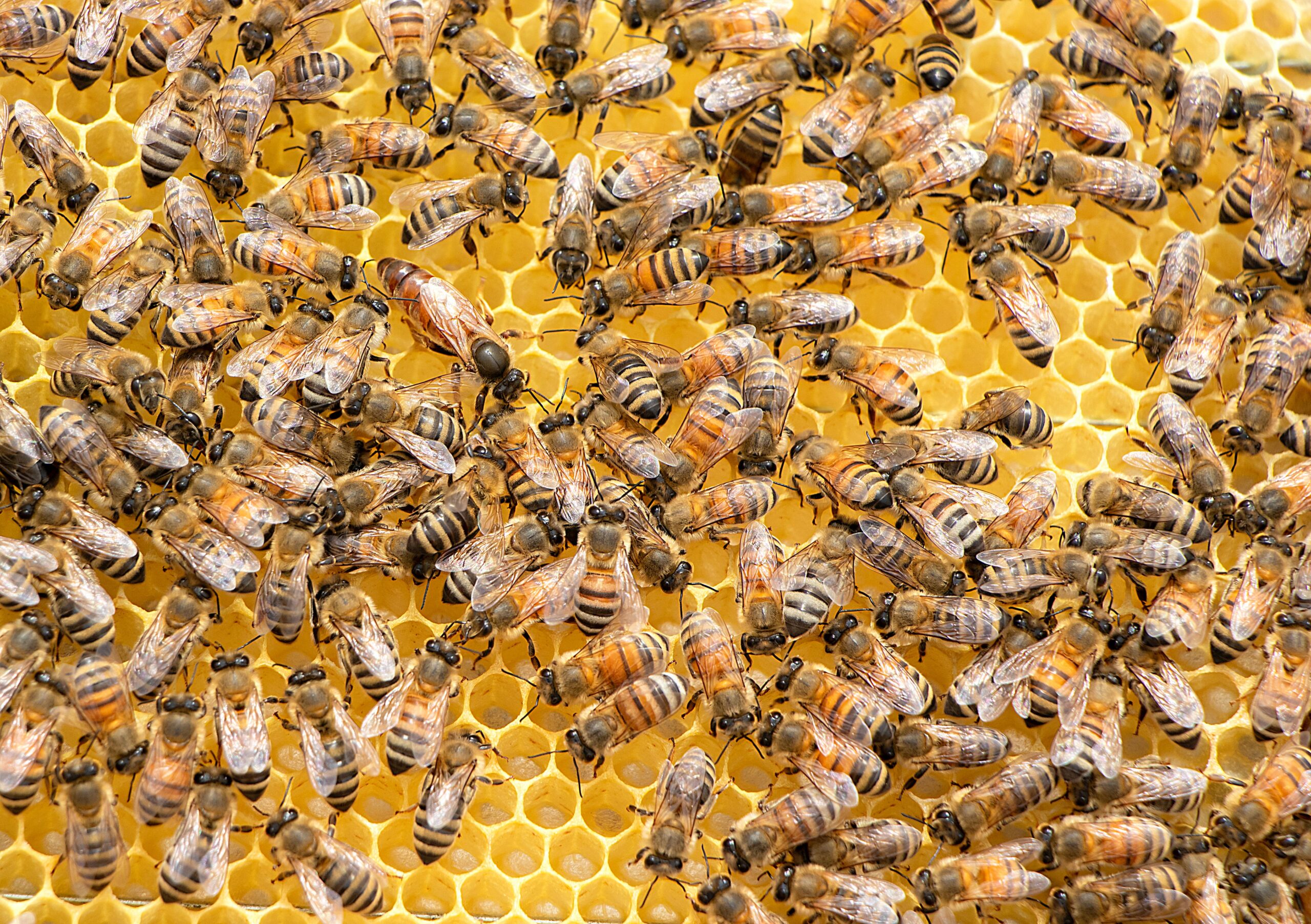
In a world where sustainability has become an urgent necessity, permapiculture emerges as an answer. This practice combines permaculture, a nature-based design approach, with beekeeping, the raising and caring of bees. Let's discover the basics of permapiculture and its importance in sustainable agriculture.
The Foundation of Permapiculture
Permapiculture is not just a fancy word; it's a practical approach to sustainable agriculture. By combining permaculture and beekeeping, the goal is to create agricultural systems that work in harmony with nature and promote biodiversity.
At the heart of permapiculture lies the recognition of the importance of bees and other pollinators. These insects play a vital role in pollinating plants, which in turn ensures food production. Protecting bees is a priority in permapiculture.
Designing Bee-Friendly Landscapes
A key aspect of permapiculture is designing landscapes and agricultural systems that provide suitable habitat for bees and other pollinators. This involves selecting plants that provide nectar and pollen, as well as creating shelters and nesting sites for bees.
Designing bee-friendly landscapes not only benefits these pollinators but also enhances overall biodiversity and ecosystem health. Permapiculture is about creating a balance where all living beings thrive.
The Role of Communities in Permapiculture
Permapiculture is not an isolated practice; it's a community approach. Communities play a vital role in working together to protect bees and promote sustainable agricultural practices.
Education and awareness are essential tools in permapiculture. Communities can learn to respect and protect bees, promote pollination, and adopt agricultural practices that minimize the use of harmful pesticides and chemicals. Permapiculture is not only an introduction to a sustainable agriculture approach but also an invitation to work together for a future where the land and bees thrive.